
Human of AIED | Lead RA Spotlight: Beryl Odingo 🌿
Editorial: This week, we get to know our only Lab member who resides an Ocean away from Philadelphia. Beryl is currently pursuing a dual Masters in Liverpool and here at PennGSE.

If you had asked me to write about myself a month ago, I would have known exactly what to say. Now, I am less sure. The more time passes, the more I feel like I am living inside a beautiful in-between, a space where everything is expanding, including me.
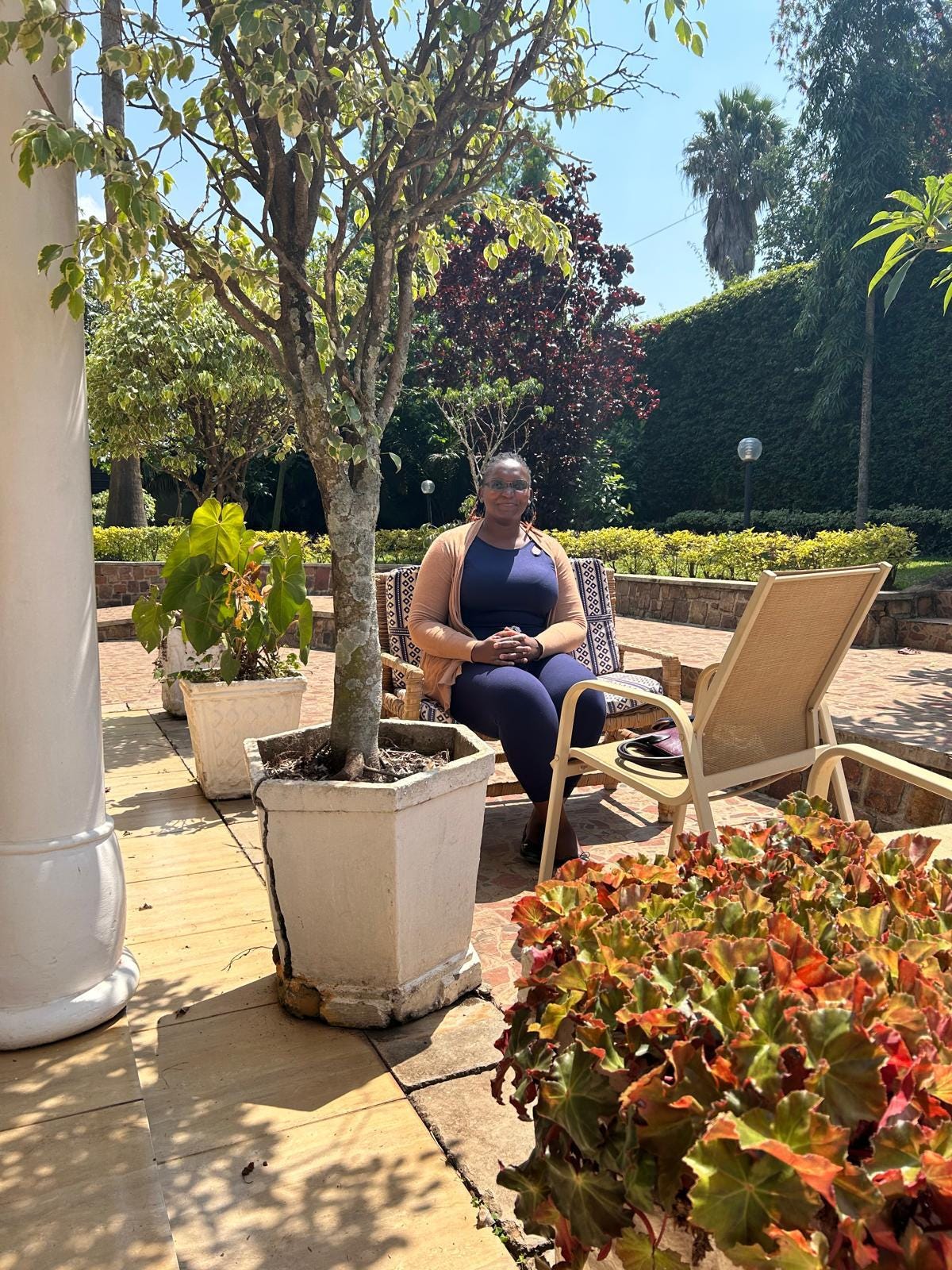
So who am I?
I am Beryl. A Kenyan teacher at heart. A person who feels strangely calm in front of a computer screen. Someone who finds peace in the quiet rhythm of typing, even when the code is wrong, even when the logic breaks somewhere in between.
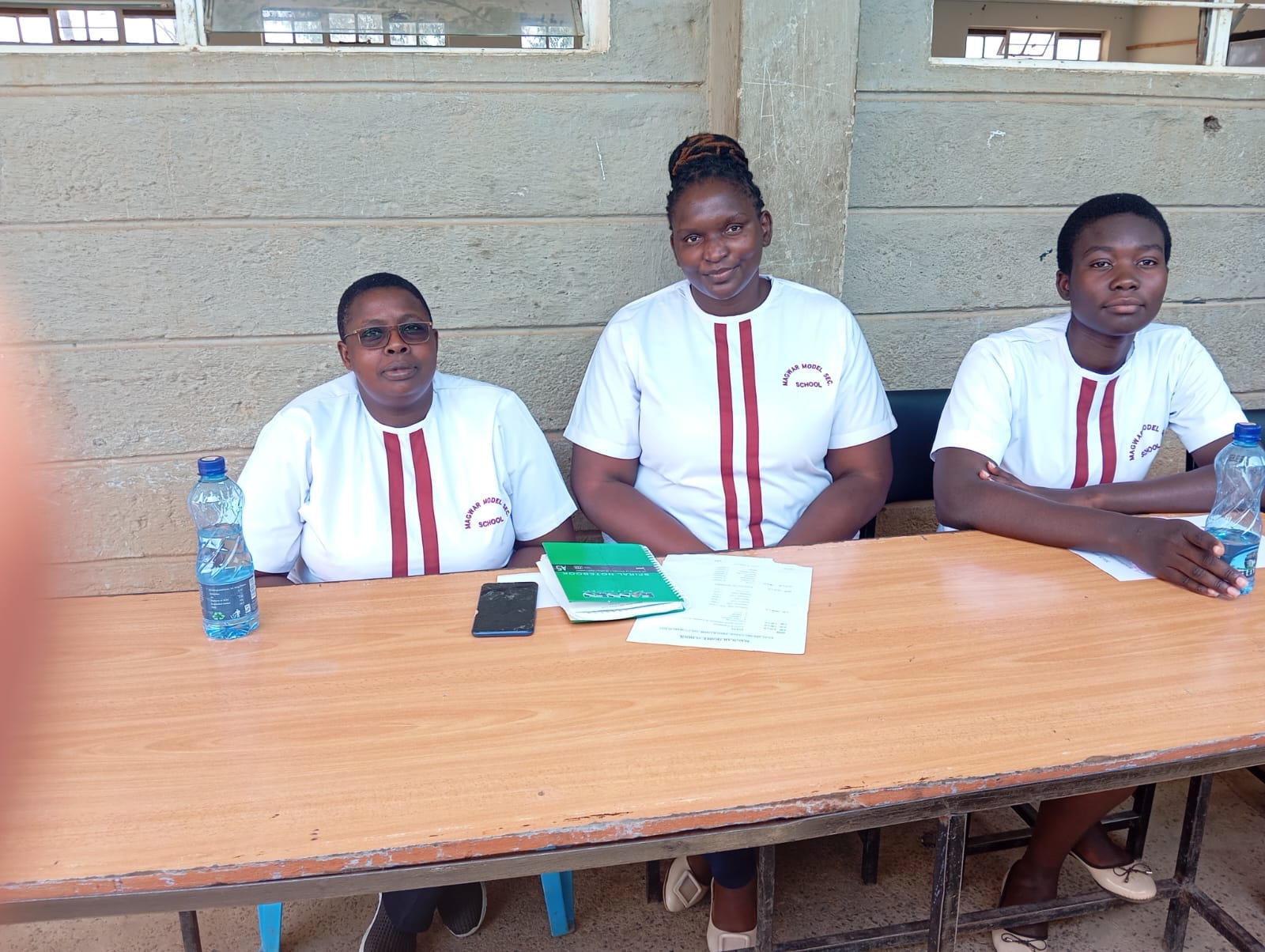
A good day for me is a day where I am building something. A bad day is when I feel unstructured. And I LOVE structure. And yet, lately, life has been gently teaching me how to live without it.
For a long time, I was “just” a teacher. I taught mathematics and business studies in Kenya, carrying chalk, lesson plans, and a relentless belief in my students, sometimes stronger than the belief they had in themselves. Teaching was never just technical for me, and it is as much relational. It has never about regurgitating new information but to experience the closeness I share with my students.
I watched students navigate pressures far beyond the classroom.
I watched their potentials got bend under circumstance.
And as teachers during these times, the most human thing we could do is to try to hold space.

Somewhere along the way, the questions began to grow bigger for me.
I used to constantly asked myself “How do I teach this better?” but as the questions grow, I can’t help but wondering Why do we teachers notice struggles so late, What patterns are we missing? What if we could recognise quiet struggle before it becomes visible failure?
These questions led me back to the computer. There is something grounding about computing for me. When I open my laptop, I feel clear, structured, predictable. Even when I don’t have answers, I can still somewhat trust the process. There is a clear logic beneath the surface holding everything together.
Studying computing is teaching me to see systems. Data flows, architectures, invisible scaffolding. At the same time, studying education keeps me tender. It reminds me that learners are not variables and I learned to view and treasured their lived experience and not simply treat them as datasets.
Being part of the AIED Lab reminds me of what it feels like standing in that in-between space. It is a place where algorithms meet classrooms. Where curiosity is shared and where questions about AI are not just technical, but deeply human.
I am drawn to AI in education not because it is futuristic, but because it is fragile but perhaps because it invites gentler questions. How do we design systems that support teachers rather than replace them? How do we handle behavioural data with care?
and most importantly: How do we build intelligence without unintentionally widening inequities?
Growing up in Kisumu shaped my sensitivity to inequality. Teaching made me empathetic. Computing is making me precise. Some days, I miss the certainty of being “just” a teacher. That identity was clear. Defined. Held. Now, I feel more layered. Less certain. More open. Still kind and structured, but just at a different scale.
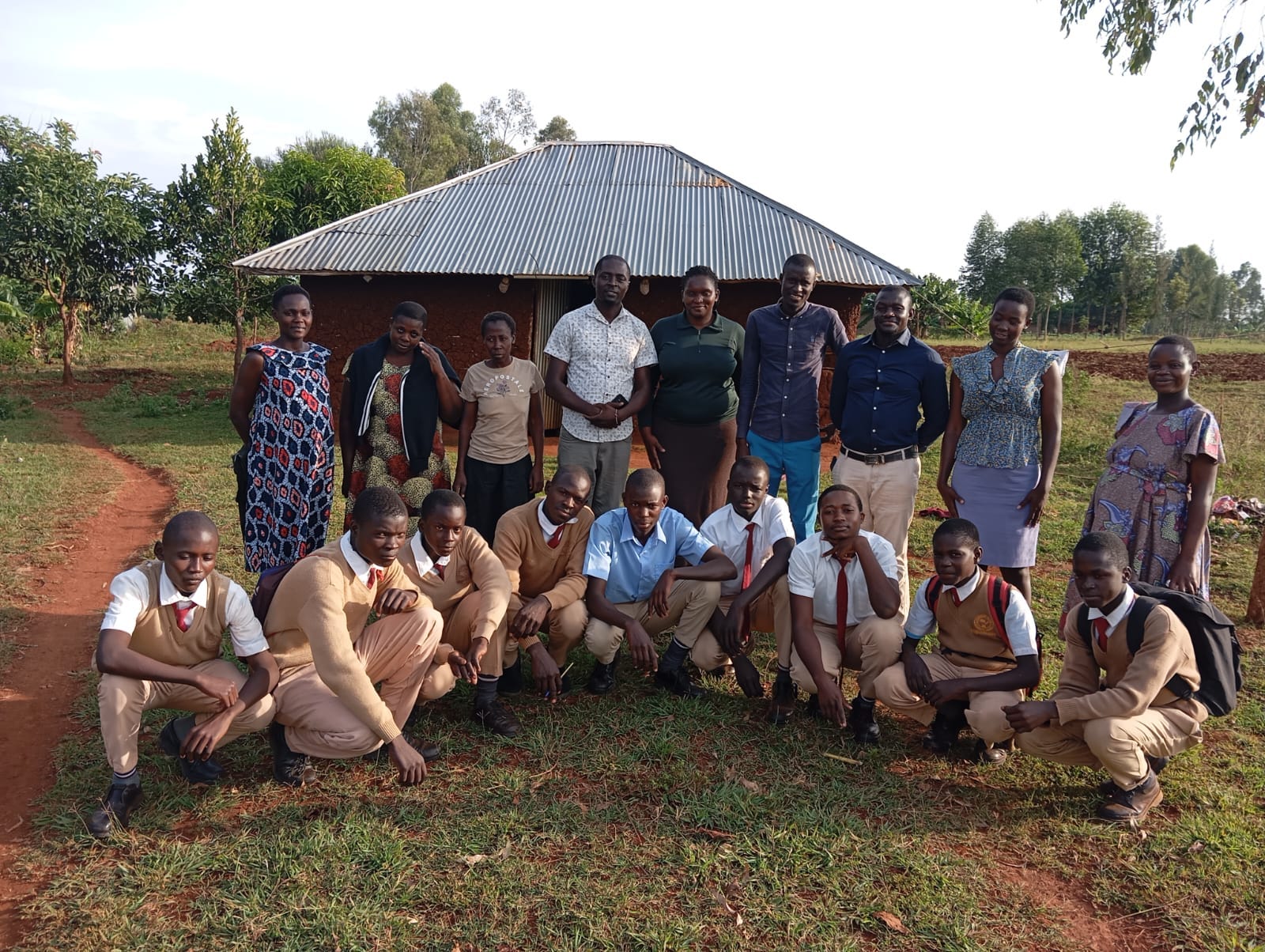
So who am I?
I am Beryl.
A former classroom teacher.
A computing student.
An education researcher in the making.
Someone learning how to hold code and classrooms in the same hands.

And maybe this season is not about being lost.
Maybe it is about becoming. Slowly. Intentionally.
Learning to build the future of learning, one idea, one system, one small question at a time.
Beryl Odingo
Editorial: Besides pursuing her two Masters in Education Studies and Computer Science at the same time, Beryl also serves as a Lead Research Apprentice of Community Learning in our Lab.